March 20, 2026
Light is everywhere—yet most of us barely think about how it shapes our lives. Beyond simply allowing us to see, light communicates directly with our brains and bodies, influencing sleep cycles, mood, energy levels, and overall health. Every window, bulb, and fixture plays a role in regulating hormones, cognitive focus, and even immune function.
Today, homeowners are increasingly prioritizing lighting in their renovations. According to the University of South Alabama, the home renovation industry has quickly surpassed the $400 billion threshold within the last two years. This demonstrates a growing recognition that homes are not just places to live—they are environments that can support health, wellness, and productivity.
Understanding light goes beyond aesthetics. The right lighting improves emotional balance, supports cognitive performance, enhances physical health, and makes spaces more functional and enjoyable. It can transform a home into a place where the body and mind feel naturally supported every day.
Biological Functions Regulated by Light
Light triggers numerous biological processes. Specialized cells in the retina convert light into electrical signals that the brain uses to regulate hormones, metabolism, alertness, and body temperature. Blue-enriched light encourages wakefulness and focus, while warmer tones signal relaxation and preparation for rest.
Modern lifestyles often disrupt these natural processes. Long hours indoors, excessive screen time, and poorly designed lighting can confuse the body’s circadian rhythm, leading to fatigue, stress, and even long-term health consequences. A local electrician can help design and install lighting systems that support these biological functions safely and effectively.
Morning exposure to bright, cool light signals the brain to wake up, increasing serotonin and dopamine production. In contrast, dim or overly warm light during the day can cause sluggishness and reduce alertness. Properly timed artificial lighting can mimic natural daylight patterns, ensuring the body stays aligned with its internal clock.
Light also influences neurotransmitters. Serotonin affects mood and emotional regulation, dopamine regulates focus and motivation, and melatonin governs sleep cycles. By managing lighting thoughtfully, homeowners can improve their mental and physical well-being without invasive interventions.
Emotional States Influenced by Light
Lighting has a profound impact on emotional health. Proper exposure boosts serotonin production, which contributes to mood stability, energy, and motivation. Insufficient or poorly timed lighting can lead to irritability, low energy, or even depressive symptoms. Homes with limited windows, urban apartments surrounded by taller buildings, or areas with long winter nights often struggle to provide adequate natural light. Artificial lighting that balances intensity, warmth, and distribution can help mitigate these effects.
A local electrician can ensure lights are installed to optimize emotional well-being—reducing harsh shadows, avoiding glare, and creating zones for relaxation or productivity. For instance, placing floor lamps in reading areas or installing dimmers in living spaces allows homeowners to adjust lighting to match mood or activity. Even small adjustments make a big difference. Reflective surfaces, strategically placed mirrors, and soft indirect lighting can brighten a space naturally, creating an environment that feels comforting, welcoming, and emotionally supportive.
Cognitive Performance Affected by Light
Cognitive performance is directly influenced by lighting. Properly lit spaces improve attention, memory, and problem-solving abilities, while dim, uneven, or poorly distributed lighting increases mental fatigue and reduces efficiency. Home offices, kitchens, and study areas benefit from layered lighting—ambient, task, and accent—that ensures no area is underlit. A local electrician ensures proper installation, optimal wiring, and compliance with safety standards, creating a reliable system that supports both function and comfort. Using cooler, blue-enriched light in a morning home office boosts alertness, making it easier to tackle emails, plan projects, or focus on detailed tasks. Conversely, using warm light in the evening allows the brain to relax, preventing overstimulation before bedtime. Good lighting also supports long-term cognitive health. It can reduce eye strain, prevent headaches, and maintain mental clarity throughout the day. In essence, lighting becomes a productivity tool, helping people perform better and feel more energized.
Sleep Patterns Controlled by Light
Circadian rhythms—our internal biological clocks—depend heavily on light. Morning sunlight triggers alertness, while evening darkness stimulates melatonin production, preparing the body for restorative sleep. Disruptions caused by artificial light or irregular lighting schedules can lead to insomnia, daytime fatigue, and weakened immunity.
Smart lighting solutions mimic natural light cycles, gradually adjusting brightness and color temperature throughout the day. Dim, warm lights in the evening help signal the body to wind down, while bright, cool lights in the morning reinforce wakefulness. Proper installation by a local electrician ensures these systems function reliably and safely. Maintaining healthy sleep patterns improves energy, mood, focus, and overall well-being. Consistent exposure to well-designed lighting supports not only rest but also cognitive performance, emotional stability, and physical health—making it a cornerstone of a healthy home environment.
Mood Changes Caused by Color Temperature
Color temperature—the perceived warmth or coolness of light—affects both mood and cognitive function. Warm light fosters relaxation and comfort, while cooler light encourages alertness and focus. Using the wrong temperature can reduce comfort: cool light in bedrooms may feel harsh, while warm light in work areas may decrease focus.
Modern systems allow homeowners to dynamically adjust color temperature to mimic natural daylight patterns. Morning light can be cooler and brighter to stimulate productivity, while evening lighting gradually shifts to warmer tones to promote relaxation. A local electrician can ensure these systems are installed correctly, operating smoothly, and safely.
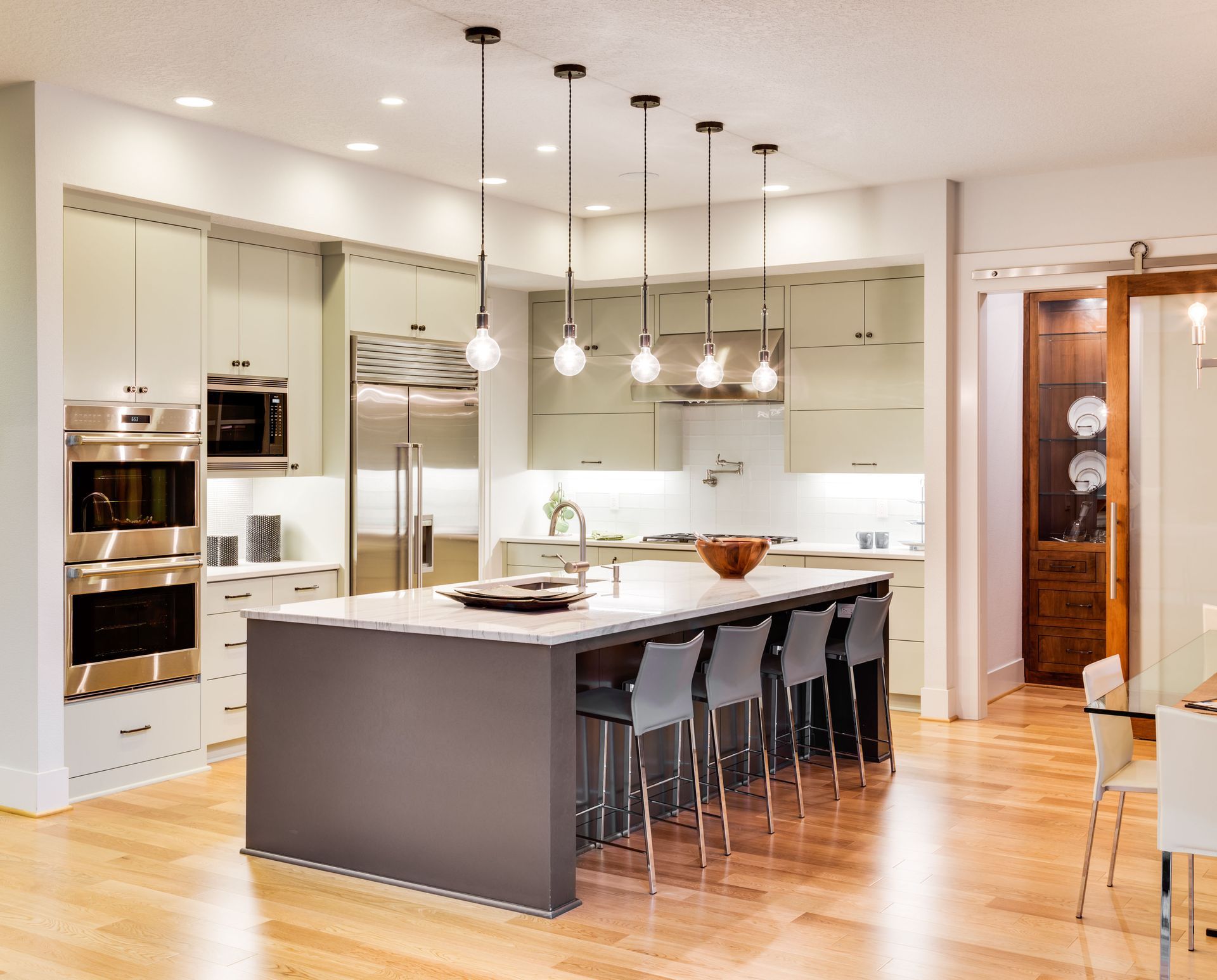
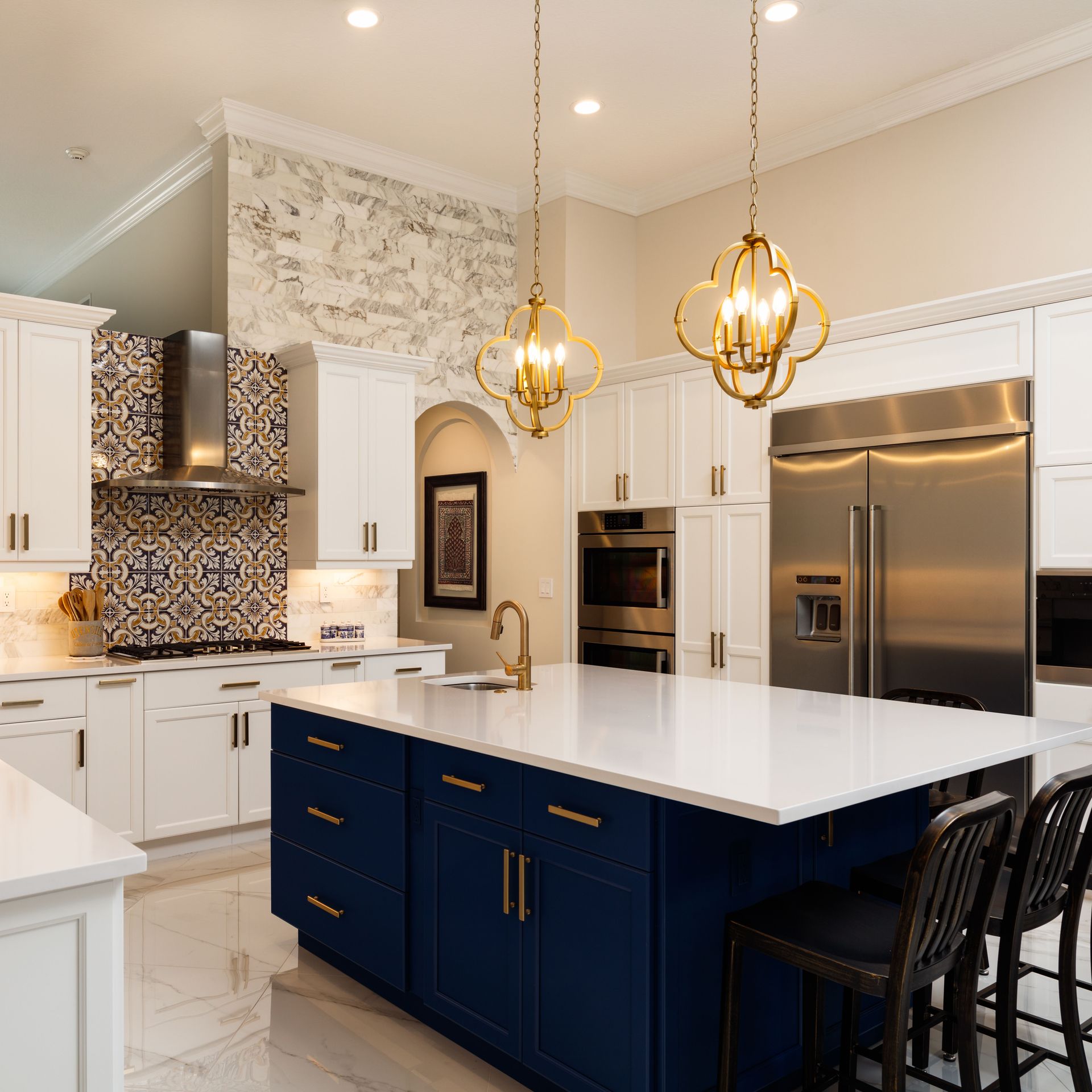
In a kitchen, using cooler, white-toned LED lights in the morning can make meal prep and cleanup tasks more efficient. In the living room, dimmable warm lighting in the evening can enhance relaxation while reading or watching television, creating a seamless shift between activity and rest.
Color temperature also affects perception of space. Warm light can make rooms feel cozy and inviting, while cooler light makes them appear spacious and energizing. Proper use improves both mental state and spatial awareness.
Physical Health Impacted by Light
Poor lighting can negatively affect long-term physical health. Misaligned circadian rhythms increase risks of sleep disorders, metabolic issues, and cardiovascular strain. Eye strain, headaches, and posture problems often occur in poorly lit areas.
Proper fixture placement, glare reduction, and balanced intensity reduce accidents and strain. A local electrician ensures lighting meets safety codes and supports health while enhancing comfort and usability.
Well-lit stairways, hallways, and exterior areas prevent accidents and injuries. Proper outdoor lighting enhances security, reduces tripping hazards, and increases confidence when navigating spaces at night. Indoor lighting that minimizes shadows and glare reduces headaches and eye strain, creating healthier spaces for everyday life.
Lighting also interacts with activity patterns. Bright, cool light encourages movement and exercise, while warm, dim lighting signals rest and recovery. Thoughtful design supports both safety and well-being, making it an essential aspect of home renovation and lifestyle design.
Practical and Aesthetic Benefits of Thoughtful Lighting
Beyond health, lighting enhances aesthetics and functionality. Natural light makes spaces feel larger, highlights textures, and improves color perception. Artificial lighting can replicate these effects when installed correctly, creating a visually appealing environment that also supports mental and physical wellness.
Adaptable lighting is valuable for multi-use spaces. Layered systems allow homeowners to adjust brightness, color temperature, and direction, creating environments suited to work, relaxation, family time, or entertaining. Professional installation by a local electrician ensures smooth operation, longevity, and safety. Lighting also enhances perception and mood. Well-lit spaces feel welcoming and comfortable, while poorly lit areas can feel cramped or uninviting. Good lighting aligns the environment with daily routines, supporting sleep, mood, focus, and overall health. Ultimately, lighting is about alignment: biological, functional, and emotional. Proper design allows a home to work with the body, not against it, improving daily life without requiring conscious effort. Thoughtful lighting is one of the simplest, yet most effective tools for improving quality of life. If you’re ready to transform your home with lighting that improves mood, focus, sleep, and overall health, contact Frain Electric today to get started.